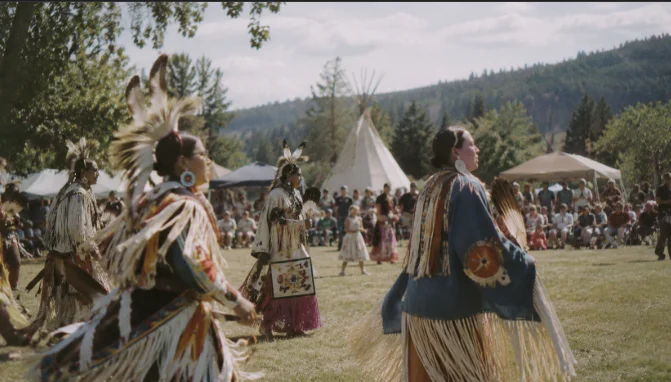
A respectful visitor's guide · Canada

Going to a powwow? Here is how to attend with respect.

What a powwow is, what to expect, what to wear, when to put the camera down, and how to find events near you — a plain-language guide for first-time guests at powwows and public Indigenous cultural events.

This is an independent educational guide written for visitors. It is not affiliated with any nation, community, dance group or festival, and it is not a voice for Indigenous peoples. Where we can, we point you to Indigenous-led sources, and at every event the hosts, announcer and Elders have the final word.

Powwow etiquette at a glance

The four things every guest should know
1
Stand for Grand EntryRise and remove your hat for Grand Entry, honour and flag songs.
2
Ask before photosFollow the announcer; ask people before close-up photos.
3
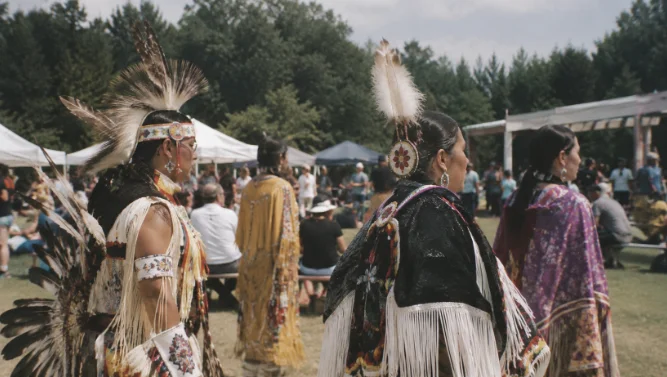
Never touch regaliaAdmire it with your eyes — it is regalia, not a costume.
4
Follow the announcerThe MC guides the day; when they give direction, follow it.
Start here

What is a powwow?

A powwow is a gathering of drumming, singing, dancing and community, hosted by Indigenous people and, in most cases, open to the public as welcome guests. Many are intertribal, bringing together dancers and singers from many nations to celebrate, compete and connect. For a visitor, a powwow is one of the most joyful and accessible ways to experience living Indigenous cultures — as long as you come as a respectful guest.

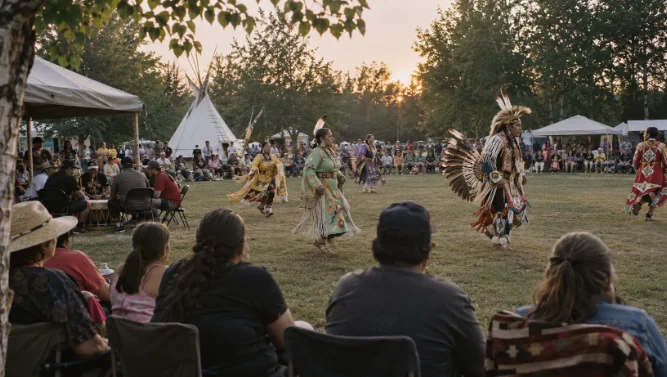
At a typical public powwow you will see a Grand Entry that opens the day, a central drum and singers, dancers of all ages in categories such as traditional, grass, jingle and fancy, an announcer who guides everything, and a ring of vendors offering food, art and handmade goods. It is family-friendly, often spans a full day or weekend, and usually has a relaxed, welcoming feeling. What a powwow means, and the protocols around it, belong to the host community, so the single most useful habit is to watch, listen and follow the guidance you are given.

A note on this guide: we describe powwows only at the level a public event program would, and we never speak to the deeper or sacred meaning of songs, dances or regalia. For that, learn directly from Indigenous dancers, knowledge keepers and the organizations linked throughout this page.
The essentials

Powwow etiquette: how to attend respectfully

Good etiquette at a powwow comes down to one idea: you are a guest in someone else's celebration. You do not need to know everything — you need to be attentive, humble and willing to follow the lead of the people hosting. Here is what that looks like in practice.

Please do

  • Stand and remove your hat for Grand Entry, honour songs, flag songs and prayers.
  • Listen to the announcer — they will tell you when to stand, when photos are fine, and when to pause.
  • Ask a person before taking their photo up close, and accept no for an answer.
  • Bring cash to buy from vendors and to give during a blanket dance or when invited.
  • Join intertribal dances only when the announcer invites everyone, and follow the direction of the circle.
  • Bring your own chair, water and sun protection, and keep children close.

Please avoid

  • Touching a dancer's regalia, or picking up anything that falls, such as a feather — tell an arena director instead.
  • Calling regalia a costume, or wearing imitation Indigenous clothing or headdresses.
  • Photographing or recording during honour songs, or whenever the announcer asks you not to.
  • Entering the dance arena unless invited, or letting children run across it.
  • Bringing alcohol or drugs; powwows are almost always substance-free spaces.
  • Interrupting, talking over the announcer, or treating the event as a backdrop for selfies.
When unsure, ask or wait. Protocols vary from nation to nation and event to event. If you are not sure whether something is okay, wait, watch what longtime attendees do, or politely ask a volunteer or the host organization.
Interactive

Check: are you ready for your first powwow?

Tick the things you are prepared to do. You will get a quick readiness read and a reminder of anything worth brushing up on before you go. It takes a few seconds and it is just for you.

Powwow-ready checklist

I am ready to…
You are off to a good start

Tick a few more to feel fully prepared.

Worth brushing up on

    A friendly self-check, not a test — every event is different, so always follow the hosts and announcer on the day.

    On the day

    What to expect at your first powwow

    Knowing the shape of the day takes away the nerves. Most public powwows follow a familiar rhythm, even though the details differ by host and region.

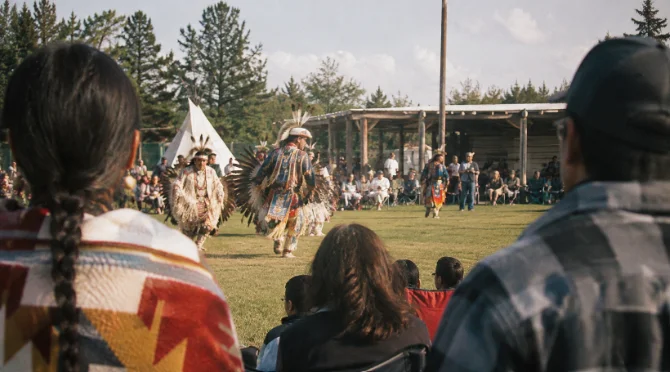
    A welcoming public powwow with visitors seated in chairs around the open dance arena
    1. Arrive and settle in. Find parking, pay any admission, and set up your chair around the arena — not inside it. Leave the front-row benches for dancers and Elders unless told otherwise.
    2. Grand Entry. The day opens with a procession of dancers into the arena, led by flags and respected community members, with the drum and song. Stand, remove your hat, and hold photography unless the announcer says it is welcome.
    3. Opening songs and welcome. There may be a flag song, a victory or veterans' song, and a welcome. Keep standing until the announcer says you may sit.
    4. Dance categories. Through the day, dancers compete and demonstrate in categories by style and age. The announcer explains what is happening — a great way to learn.
    5. Intertribal dances. Everyone, including visitors, is sometimes invited to dance. If you are unsure, watch first, then join gently and follow the circle.
    6. Vendors and food. Browse the stalls, try bannock or a taco, and buy art and crafts directly from the makers. Bring cash.
    In the arena

    Powwow dance styles, explained for visitors

    Part of what makes a powwow mesmerizing is the range of dance styles, each with its own regalia, footwork and song. Here is a visitor-level introduction to the categories you are most likely to see. Each style carries meaning that the dancers and their communities hold, so treat this as a first glimpse, not the full story.

    Often seen

    Men's Traditional

    Measured, grounded dancing that often tells a story, with regalia frequently featuring a feather bustle. Dancers move with dignity and control.

    Often seen

    Grass Dance

    Flowing, swaying movements with long fringe that ripples like prairie grass. One of the most hypnotic styles to watch.

    Often seen

    Men's Fancy

    Fast, athletic and colourful, with twin bustles and bright regalia. A high-energy, crowd-favourite style.

    Often seen

    Women's Traditional

    Graceful, upright dancing with subtle movement, often carrying a fringed shawl or fan. Elegance and poise define it.

    Often seen

    Jingle Dress

    Named for the rows of metal cones that chime with each step. It is widely known as a dance connected to healing and wellbeing.

    Often seen

    Fancy Shawl

    Light, spinning and butterfly-like, with a brightly decorated shawl held wide. Fast footwork and colour make it unforgettable.

    Learn from the source. The announcer often explains each category as it dances, and Indigenous dancers share far more online. We keep these descriptions at a simple, public level on purpose.
    Cameras & phones

    Can you take photos at a powwow?

    Sometimes yes, sometimes no — and the difference matters. General photos of the arena and crowd are often welcome, and many hosts are happy for visitors to capture the colour and energy of the day. But certain songs and dances are not to be photographed, and the announcer will make that clear. Your job is to listen for those moments and lower the camera.

    For close-up photos of individual dancers, always ask first, and respect a no. Never sell or earn money from images of dancers or their regalia without their explicit permission. The best photos come from a place of respect, and some of the best moments — like Grand Entry or an honour song — are ones to simply witness rather than record.

    • Listen for the announcer. They will say when photography is welcome and when to stop.
    • Ask for close-ups. A smile and a quick question go a long way; accept no gracefully.
    • No photos during honour songs. Stand, be present, and leave the phone in your pocket.
    • Do not profit. Never sell images of dancers or regalia without permission.
    • Never use a drone. Unless explicitly invited by the hosts, keep drones away entirely.
    Before you go

    What to wear to a powwow

    The short answer: dress comfortably, modestly and for the weather. Powwows often run for many hours and are frequently outdoors, so think of it like a long day at an outdoor festival rather than a show you sit through for an hour.

    Comfortable & modest

    Everyday, modest clothing and comfortable shoes you can stand and walk in for hours. Layers help for changing weather.

    Come prepared

    Bring a folding chair, water, sun protection or a rain layer, and cash for food, vendors and giving.

    Never imitation regalia

    Do not wear headdresses, face paint or anything resembling Indigenous regalia. It is earned and meaningful, not a costume or theme.

    Why it matters: dressing as a pretend version of Indigenous culture is hurtful and appropriative. Coming as yourself, dressed simply and respectfully, is exactly right.
    Plan your visit

    How to find powwows and Indigenous events near you in Canada

    Powwows and public Indigenous cultural events happen across Canada all year, with the most in the warmer months and a surge around National Indigenous Peoples Day in June. The reliable way to find them is to start from Indigenous-led and official sources, then confirm the details directly with the host.

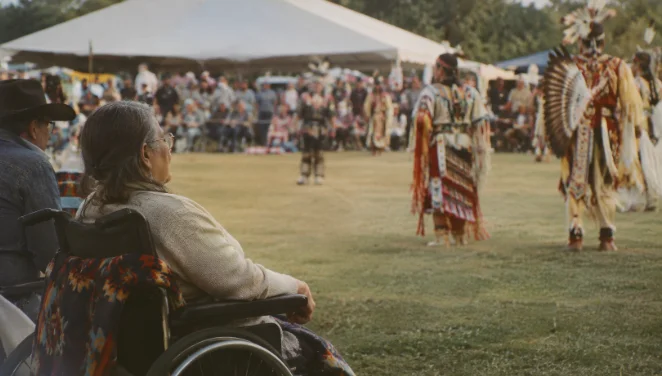
    Visitors arriving at a public Indigenous cultural event in Canada
    Best first stop

    Indigenous organizations

    First Nations, Metis and Inuit organizations, band councils and friendship centres often post their own event calendars and powwow dates.

    Seasonal

    Powwow trail calendars

    Many regions have seasonal powwow listings — sometimes called the powwow trail — that round up dates across the summer.

    June

    National Indigenous Peoples Day

    Around June 21, cities, museums and organizations host many free, public events. Check municipal and Indigenous org listings.

    Arts

    Festivals & dance companies

    Indigenous-led festivals and professional dance companies list ticketed performances through their own sites and local arts venues.

    Local

    Friendship centres

    Urban friendship centres are community hubs and a warm, reliable place to learn about nearby gatherings and how to attend.

    Always

    Confirm with the host

    Dates, locations and whether an event is public change year to year. Confirm from the host's own official page before you go.

    Interactive

    What to expect at different Indigenous events

    Not every Indigenous cultural event is a powwow. Choose what you are heading to and get a quick sense of what to expect, the etiquette that matters most, and where to look for listings.

    What are you going to?
    A powwow
    What to expect:
    Etiquette that matters most:
    Where to find it:

    A general guide only. Each host sets its own protocols — follow the organizers and announcer on the day.

    • Look for free public events. Many are open to all — performances, markets, teachings and family activities.
    • Show up to listen. Come to learn from Indigenous voices rather than to lead or perform.
    • Support Indigenous makers. Buy art and food directly from Indigenous artists and vendors.
    • Bring the family. Most events are welcoming to children and a gentle way to start learning.
    • Carry it forward. Let the day be a start, not a one-off — keep learning year-round.
    June 21

    National Indigenous Peoples Day: taking part respectfully

    Held each year on June 21, National Indigenous Peoples Day celebrates the cultures and contributions of First Nations, Metis and Inuit peoples. Across Canada, cities, museums, schools and Indigenous organizations host public events, many of them free, making it one of the easiest times for a newcomer to attend something welcoming and well-organized.

    As with any event in this guide, the spirit is to come as a respectful guest: listen more than you speak, follow the lead of Indigenous hosts, support Indigenous artists with your attention and your dollars, and treat the day as a beginning rather than a box to tick. A respectful first visit often turns into a lasting interest.

    Give back

    How to respectfully support Indigenous artists and performers

    One of the best outcomes of attending is becoming a genuine supporter. Support flows best when it is direct, fair and ongoing — and it matters far more than getting the perfect photo.

    Buy direct, pay full price

    Purchase art, crafts and food from Indigenous vendors at the event, and pay what they ask. Avoid imitation Indigenous art sold elsewhere.

    Pay for performances

    Attend and buy tickets to shows by Indigenous dance companies and artists. Your ticket keeps the work alive.

    Credit and amplify

    Name the artists when you share their work, link back to them, and point friends to Indigenous-led sources rather than to guides like this one.

    The honest ask: this page is a starting point for visitors. The people to learn from, follow and pay are Indigenous artists, knowledge keepers and organizations themselves.
    Say it right

    Respectful language: regalia, not costume

    Words carry respect. A few small shifts in language signal that you understand you are a guest at a living cultural event, not a spectator at a show.

    Regalia, not costume

    A dancer wears regalia — crafted, meaningful and often earned. Costume implies pretend, which it is not.

    Dance, not performance only

    Dancing can be celebration, prayer and identity, not only entertainment. Describe what you saw with care.

    Nations, named specifically

    Where you can, name the specific nation rather than using broad labels. Peoples are distinct, not interchangeable.

    Guest, not expert

    After one visit you are a respectful guest, not an authority. Keep learning, and defer to Indigenous voices.

    Guides & notes

    More guides for respectful visitors

    Learn from others

    Common mistakes visitors make (and how to avoid them)

    Staying seated during Grand Entry

    Stand and remove your hat. If you are unable to stand, that is understood — but standing is the respectful default.

    Snapping photos without asking

    Ask for close-ups and watch for the announcer's cues. Some moments are not to be photographed at all.

    Calling regalia a costume

    Regalia is meaningful and often earned. The word costume suggests pretend, which it is not.

    Wandering into the arena

    The arena is for dancers unless everyone is invited in. Keep yourself and children around its edge.

    Coming with no cash

    Vendors, food and giving all run on cash. An empty wallet means missing much of the day.

    Treating it as a show

    A powwow is a community celebration, not a performance staged for tourists. Come as a guest, not an audience.

    Quick checklist

    Your first powwow: a simple plan

    If you remember nothing else, remember this short sequence. It will carry you through a respectful, enjoyable first visit.

    Before you go

    Confirm the date, location and that the event is public from the host's own page. Pack a chair, water, sun or rain protection, and cash. Read the etiquette above so the day feels familiar rather than unfamiliar.

    When you arrive

    Set up around the arena, not in it, and leave front seating for dancers and Elders. Find the announcer's voice — it is your guide to everything that happens next.

    During Grand Entry

    Stand, remove your hat, and lower your camera unless told otherwise. Stay standing through the opening songs until the announcer says you may sit.

    Through the day

    Enjoy the dancing, listen to the announcer's explanations, buy from vendors, join intertribal dances if invited, and ask before close-up photos. Let yourself simply be present.

    Afterwards

    Support the artists you met, share respectfully and credit by name, point friends to Indigenous-led sources, and come back. One good visit is the start of real appreciation.

    Questions

    Frequently asked questions

    What is a powwow?+
    A powwow is a social gathering, celebration and competition centred on drumming, singing and dancing, hosted by Indigenous communities and attended by people from many nations. Most are intertribal and welcome the public as respectful guests, with a Grand Entry, dance categories, a host drum, an announcer, and vendors. The specific meaning and protocols belong to the host community, so follow the guidance given at each event.
    Are powwows open to the public, and can anyone attend?+
    Many powwows are public and warmly welcome visitors, while some are private community events. If a powwow is advertised publicly you are generally welcome as a respectful guest. Look for the word public in the listing, check for an admission fee, and arrive ready to listen and follow the announcer. When in doubt, ask the host organization whether visitors are welcome.
    What is powwow etiquette for visitors?+
    Attend as a respectful guest: stand and remove your hat for Grand Entry, honour songs and flag songs; ask before close-up photos and follow the announcer; never touch a dancer's regalia; bring cash to support vendors; and take your lead from the hosts. Listen more than you speak, keep children close, and when the announcer gives direction, follow it.
    Can you take photos or videos at a powwow?+
    Sometimes, but only with awareness. General crowd and arena photos are often fine, but certain songs and dances should not be photographed, and the announcer will say so. Ask individuals before close-up photos, pause whenever the announcer asks, and never sell or profit from images of dancers without their permission. During honour songs, simply be present.
    What should I wear to a powwow?+
    Wear modest, comfortable, weather-appropriate clothing and comfortable shoes, since powwows often run for hours and may be outdoors. Do not wear imitation Indigenous clothing, headdresses or anything resembling regalia, as these are earned and meaningful. Bringing a chair, water, sun protection and cash is practical.
    Is it called regalia or a costume?+
    It is regalia, never a costume. A dancer's regalia is made with great care and often carries personal, family and community meaning, and many pieces are earned or gifted. Calling it a costume is disrespectful because it suggests pretend. Admire regalia with your eyes and never touch it without permission.
    How do I find powwows and Indigenous events near me in Canada?+
    Start with Indigenous-led sources: the calendars of local First Nations, Metis and Inuit organizations, friendship centres and cultural festivals, plus community listings around National Indigenous Peoples Day in June. Many regions have seasonal powwow trail calendars. Confirm the date, location and whether the event is public directly from the host's official page.
    What happens during Grand Entry?+
    Grand Entry is the procession that opens a powwow, when dancers enter the arena together, often led by flags and respected community members, with the drum and song. Everyone is asked to stand, remove hats and hold photography unless the announcer says otherwise. The best thing a visitor can do is stand quietly, be present, and follow the announcer.
    How can I respectfully support Indigenous artists and performers?+
    Buy directly from Indigenous artists and vendors at the event and pay full price, attend and pay for ticketed performances by Indigenous dance companies, and credit artists by name when you share their work. Support Indigenous-led festivals and organizations, learn from sources created by Indigenous people, and avoid buying imitations of Indigenous art.

    Come as a respectful guest

    Learn the etiquette, check that you are ready, and find a welcoming public event near you.

    Am I ready? Find an event