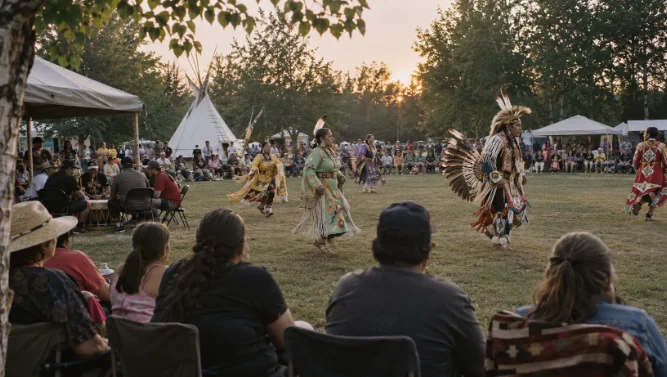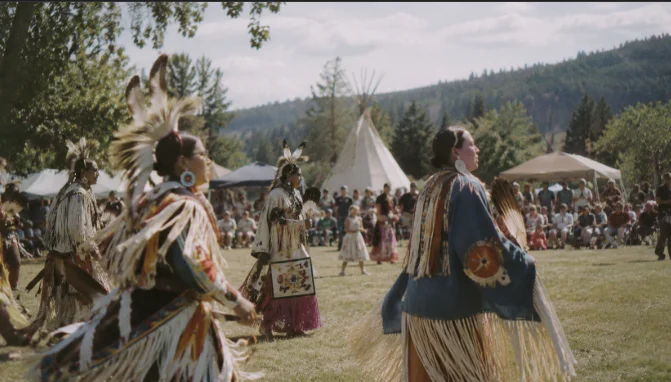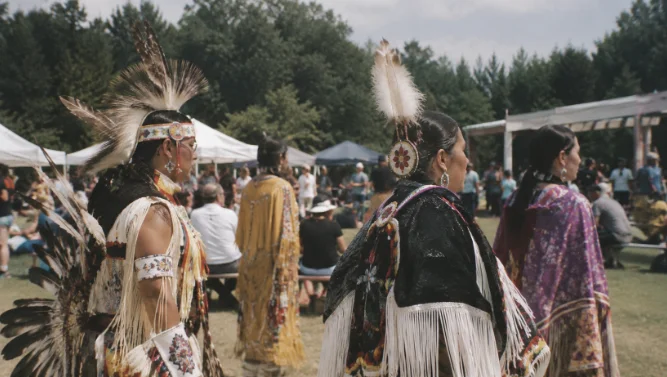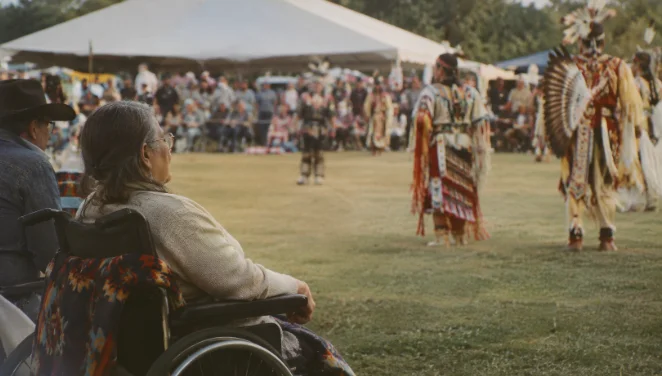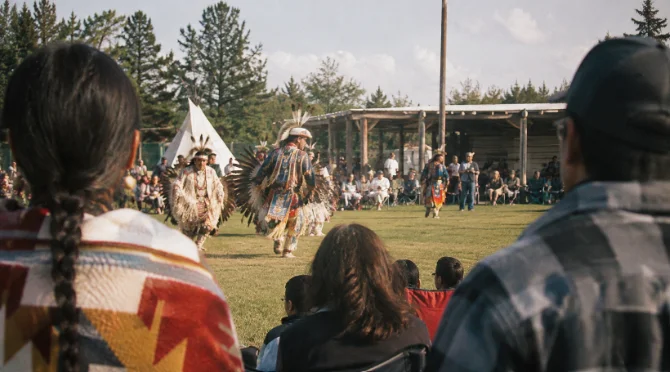
How to Plan Your First Powwow Visit in Canada: From Finding an Event to Getting Home
Planning your first powwow visit involves more than finding a date on a community calendar. You need to know whether visitors are welcome, when Grand Entry begins, what facilities are available and how much time to allow for travelling, eating and experiencing the gathering.
Fortunately, attending a public powwow does not require extensive cultural knowledge or complicated preparation. A few thoughtful arrangements can make the difference between spending the day worrying about practical details and being able to listen, learn and appreciate the gathering as a respectful guest.
Start With the Kind of Powwow Visit You Want to Make
Before choosing an event, consider how far you are comfortable travelling, how much time you have available and what kind of visit suits the people coming with you.
A small community powwow close to home may be an excellent introduction. A larger regional gathering might justify an overnight stay, particularly if you want to experience several dance sessions and spend time exploring the work of Indigenous artists.
A Local Community Powwow
For many first-time visitors, attending a nearby public powwow is the simplest option. You can spend a few hours at the gathering without arranging accommodation or committing to a full weekend.
Local events also allow you to become more familiar with Indigenous communities and organizations in your own region. A visit might lead to discovering other public cultural events, artists, exhibitions or educational opportunities throughout the year.
Check whether the gathering is accessible by public transit or requires a vehicle, even if it appears close to home.
A Day Trip Outside Your Community
A powwow in another town or First Nations community requires more preparation.
In addition to the event itself, account for driving time, fuel, meals, parking and the return journey. A gathering that lasts several hours may easily become a full-day outing once transportation is included.
Avoid scheduling another important commitment immediately after your expected return. Powwow programs can change, and you may decide to stay longer than originally planned.
A Multi-Day Powwow Weekend
Larger contest powwows and regional gatherings sometimes feature separate afternoon and evening sessions across two or more days.
An overnight stay can make attending more comfortable, particularly if you are travelling with children or someone who needs regular rest.
Confirm whether admission covers the entire weekend, whether visitors can leave and return, and how far your accommodation is from the venue. Camping may be available at some community powwows, but it should never be assumed.
| Visit type | Main planning priorities |
|---|---|
| Local urban powwow | Public transit, admission and arrival time |
| Rural community powwow | Driving, fuel, cash and venue facilities |
| Large contest powwow | Dance sessions, seating, meals and breaks |
| Multi-day gathering | Accommodation, re-entry and flexible scheduling |
The right choice is not necessarily the largest or most widely advertised event. It is the gathering that welcomes visitors and fits your circumstances.
Find an Event That Explicitly Welcomes Visitors
The best starting point is an event listing published by the Indigenous community or organization hosting the powwow.
Third-party calendars are useful for discovering gatherings, but they should not be your final source of information.
Start With Indigenous-Led Event Listings
Several organizations and community resources can help you discover powwows across Canada:
- Indigenous Tourism BC publishes information about public cultural gatherings throughout British Columbia.
- Indigenous Tourism Québec provides regional cultural event information and visitor resources.
- The National Association of Friendship Centres maintains a directory of Friendship Centres across the country.
- First Nations community websites frequently publish powwow posters, schedules and visitor information.
- University Indigenous centres organize public powwows and other educational gatherings.
- Provincial tourism websites and regional powwow calendars can help identify events beyond your immediate area.
In New Brunswick, for example, the provincial government publishes seasonal powwow listings covering gatherings hosted by different First Nations communities.
When searching in Quebec, using French terms such as calendrier des pow-wow can help you discover announcements that may not appear prominently in English-language search results.
Confirm That the Invitation Includes the Public
Many powwows welcome Indigenous and non-Indigenous visitors, but not every community gathering is open to everyone.
Look for clear statements indicating that the public is invited. An event poster may say that everyone is welcome, provide spectator admission details or include specific guidance for first-time visitors.
If the invitation is unclear, understanding how to know whether visitors are welcome can help you avoid making assumptions about a community gathering.
Remember that public attendance does not automatically grant permission to participate in every activity. The hosts determine which spaces, dances and other elements of the gathering are open to visitors.
Check the Actual Host, Location and Current Date
Annual powwow posters often remain online for years. A search result may display the correct event name but an outdated date, schedule or location.
Before making arrangements, verify the year, venue address and organizer’s latest announcements.
If you discover an event through a social media post or tourism calendar, look for confirmation from the host community. This is especially useful when considering a longer journey or booking non-refundable accommodation.
Choose the Right Season and Location
Although many powwows take place during the warmer months, there is no single nationwide powwow season that applies to every community.
The type of venue, regional climate and local traditions all influence when gatherings are held.
Spring and Indoor Powwows
Indoor powwows can provide an opportunity to attend before the outdoor summer season begins.
The First Nations University of Canada Spring Celebration Powwow in Regina, Saskatchewan, is a well-established example. Its April 2026 gathering took place over two days at the Brandt Centre.
An indoor event may offer more predictable shelter, permanent washrooms and easier access to nearby services. However, large recreation centres and arenas can also become crowded, and the sound environment may be more intense than at an outdoor venue.
Summer Powwow Season
Summer brings numerous outdoor community gatherings across the Prairies, Ontario, British Columbia, Quebec and Atlantic Canada.
The practical conditions can differ significantly between regions. An outdoor powwow in southern Ontario may involve heat and humidity, while a gathering in coastal British Columbia may require preparation for cooler temperatures or rain.
Wildfire smoke is another consideration in parts of Canada during the warmer months. Health Canada recommends checking local air quality conditions, including the Air Quality Health Index (AQHI) or Quebec’s InfoSmog service, when planning outdoor activities during smoke events.
Check conditions shortly before travelling rather than relying entirely on a forecast from several days earlier.
National Indigenous Peoples Day and Other Public Celebrations
National Indigenous Peoples Day takes place annually on June 21, recognizing and celebrating the histories, cultures and contributions of First Nations, Inuit and Métis peoples.
Many communities and Indigenous organizations hold public gatherings around this date, offering opportunities to experience dance, music, art, food and educational activities.
However, not every Indigenous cultural celebration is a powwow. A Northwest Coast dance presentation, Métis cultural festival or Inuit arts gathering may follow entirely different traditions and protocols.
Approach each event according to the guidance provided by its own hosts.
Read the Schedule Before You Decide When to Arrive
One of the easiest mistakes to make when planning a powwow visit is assuming that the advertised opening time and Grand Entry are the same thing.
A venue may open several hours before dancing begins, allowing time for registration, preparation, vendor activities and visitor arrivals.
Grand Entry Is Not Necessarily the Gate Opening Time
Grand Entry is the formal opening procession of a powwow or scheduled dance session.
If the event poster states that gates open at 10 a.m. and Grand Entry begins at noon, arriving around 11 a.m. may give you enough time to find parking, locate visitor seating and become familiar with the grounds.
For larger gatherings, allow additional time if you need accessible parking, are travelling with children or expect a lengthy walk from the entrance.
Decide How Much of the Program You Want to Attend
You do not necessarily need to remain at a powwow from opening until closing.
A two- or three-hour visit may provide enough time to experience Grand Entry, watch several dances and explore the vendor area. Spending four to six hours allows more flexibility for meals, rest and additional activities.
Before deciding whether to stay for a few hours or the entire day, understanding a typical powwow schedule can help you recognize how Grand Entry, dance categories and breaks fit into the program.
Leave Room for Changes and Breaks
Powwows follow the needs of their communities and participants rather than the rigid timetable of a conventional entertainment event.
Dance sessions may run longer than expected, announcements may introduce additional activities, and weather conditions can affect outdoor programs.
Leave some flexibility in your plans. You should not have to spend the entire gathering checking whether you are running behind schedule.
Work Out Your Travel and Arrival Plan
Getting to a powwow can be straightforward in a large city, but visiting a rural community may involve transportation arrangements that are less familiar.
Plan the return journey as carefully as the arrival.
Driving to Rural or Community Venues
Confirm the exact location of the powwow grounds rather than simply entering the name of the First Nation into your navigation app.
A community office, cultural centre and powwow arena may have different addresses.
Check fuel availability, road conditions and parking arrangements before travelling. If you drive an electric vehicle, identify suitable charging stations along the route rather than assuming charging facilities will be available near the venue.
Indigenous Tourism BC specifically recommends preparing for remote locations, including ensuring that your vehicle has sufficient fuel.
Using Public Transit for Urban Events
University powwows and urban cultural festivals may be reachable by bus, train or streetcar.
Check weekend schedules, walking distances from transit stops and the departure time of the last service you can reasonably use.
An evening dance session may finish later than expected, making it worthwhile to identify an alternative way home.
For visitors relying on specialized accessible transportation, advance booking may also be necessary.
Planning for Limited Mobile Reception
Before leaving home, save the event poster, venue address, organizer’s contact information and directions on your phone.
Download offline maps if you are travelling through areas where mobile reception may be unreliable.
Having the essential information available without an internet connection is particularly useful when looking for an entrance, checking the schedule or confirming your return route.
How Much Should You Budget for Your First Powwow?
Many public powwows offer free admission, while others require tickets or charge an entrance fee. Even when admission is free, transportation, food and purchases from local artists can contribute to the overall cost.
The amount you need depends largely on the distance travelled and how you choose to spend your time at the gathering.
Admission, Transportation and Food
Admission arrangements vary considerably.
Mississauga First Nation, near Blind River, Ontario, advertised free admission and parking for its 2026 community powwow. In contrast, the ENAGB Cultural Festival in Toronto has published a general admission price of C$20.
These examples illustrate why it is worth checking the specific event rather than assuming that all powwows are either free or ticketed.
Here is an illustrative budget for one adult attending a local powwow as a day trip.
| Expense | Example budget |
|---|---|
| Admission | C$0 |
| Transportation | C$25 |
| Food and drinks | C$20 |
| Purchases from Indigenous artists or vendors | C$40 |
| Unexpected expenses | C$15 |
| Total planned budget | C$100 |
This is a planning example, not an average admission cost or spending recommendation. You could spend considerably less by attending a nearby free event, bringing permitted refreshments and limiting optional purchases.
For a weekend trip, accommodation and longer-distance transportation should be budgeted separately.
Buying From Indigenous Artists and Vendors
Powwow marketplaces can offer opportunities to purchase beadwork, jewellery, artwork, clothing and other goods directly from Indigenous makers.
Consider setting aside part of your budget for something meaningful rather than treating shopping as an incidental expense.
Ask artists about their work when they have time to talk, respect their prices and avoid purchasing imitation Indigenous artwork elsewhere simply because it is cheaper.
Bringing cash in smaller denominations can also be helpful. Some vendors may accept electronic payments, while others operate primarily with cash.
Keeping Some Flexibility for Unexpected Expenses
Extra parking costs, an additional meal or a longer-than-expected journey can change your spending plans.
Leaving a small amount unallocated provides flexibility without requiring you to sacrifice other planned expenses.
If you hope to attend several community events throughout the year, making room for cultural outings in your entertainment budget can be more manageable than treating each visit as an unexpected expense.
Check Whether the Venue Meets Your Accessibility Needs
Accessibility involves more than whether an event has designated parking or an accessible entrance.
Consider how you will move between public seating, washrooms, food vendors, rest areas and the exit.
Terrain, Seating and Washrooms
Outdoor powwow grounds may include grass, gravel or uneven surfaces. Temporary washroom facilities and bring-your-own-chair seating arrangements are also possible.
Indoor venues may provide more predictable walking surfaces but could have limited accessible viewing spaces or seating that is uncomfortable for some visitors.
If you have mobility, sensory or other accessibility needs, planning an accessible powwow visit involves checking the entire venue rather than relying on a general accessibility statement.
Sound, Crowds and Weather Exposure
Live drumming, singing and amplified announcements can create an intense sound environment.
Visitors who benefit from hearing protection, regular breaks or quieter seating should prepare accordingly. Families may also wish to explain the sound and movement of the gathering to children beforehand.
If standing during Grand Entry is not physically possible, remain seated respectfully and follow the announcer’s other instructions. You should not put your health or safety at risk to observe a standing protocol.
Pack for the Venue, Not Just the Weather
A well-packed bag can make a lengthy powwow visit much more comfortable.
What you need depends on the venue, the length of your visit and the facilities available.
What to Bring to an Outdoor Powwow
Useful items may include:
- A folding chair, where permitted.
- A refillable water bottle.
- Sunscreen and suitable sun protection.
- A lightweight rain jacket.
- Comfortable walking shoes.
- Clothing layers for changing temperatures.
- Cash in smaller denominations.
- A charged phone and portable charger.
- Any necessary personal care or accessibility supplies.
If you are attending with children, consider bringing familiar snacks where outside food is permitted.
Check whether the organizers allow personal shade structures before bringing umbrellas, canopies or larger shelters that could obstruct other visitors’ views.
What You May Need at an Indoor Event
Indoor venues may have restrictions on outside food, large bags, folding chairs and other equipment.
A smaller bag containing water, personal essentials and a light extra layer may be sufficient.
Do not assume that seating will be available simply because the event takes place indoors. Check the venue’s visitor information, particularly if you need a specific type of chair.
What Is Better Left at Home
Powwows commonly operate as alcohol- and drug-free gatherings. Follow the host’s rules concerning prohibited substances, smoking and vaping.
Leave imitation Indigenous headdresses, ceremonial accessories and clothing intended to resemble regalia at home.
Drones should not be used without explicit authorization from the organizers. Pets may also be restricted, although arrangements for disability-related service animals should be confirmed separately.
Arriving at the Powwow and Finding Your Bearings
Once you reach the venue, take a few minutes to understand how the gathering is organized before settling into a viewing area.
Locate the Arena, Seating and Information Area
Identify the dance arena, public seating, washrooms, vendor area and any information desk.
Some seating may be reserved for dancers, Elders, singers or invited participants. Choose a public viewing position without occupying spaces intended for others.
If you bring a folding chair, make sure it does not block an entrance, walkway or access to the arena.
Follow the Announcer Rather Than Your Own Assumptions
The Master of Ceremonies is your main source of guidance throughout the gathering.
Listen for instructions about Grand Entry, photography, standing during particular songs and opportunities for visitors to participate.
Avoid entering the arena unless invited. Ask before photographing individual dancers, and remember that regalia is culturally meaningful clothing rather than a costume.
If you are uncertain about something, politely ask an event volunteer at an appropriate moment.
Make Time for Vendors and Conversation
A powwow visit does not have to revolve entirely around watching the dance arena.
Explore the public marketplace, discover the work of Indigenous artists and try food offered by local vendors.
When people are available and willing to talk, conversations can help you learn more about their work and community. Respect their time, particularly when dancers are preparing or vendors are busy.
How to Make the Visit Meaningful After You Leave
A first powwow can become the beginning of a longer relationship with Indigenous arts, community events and cultural education.
If you purchased artwork, remember the artist’s name and where their work can be found. Consider following their public social media accounts or attending future exhibitions and performances.
When sharing photographs, respect the permissions you received. Permission to take a photograph does not necessarily include permission to publish it commercially or use it in a different context.
Avoid presenting yourself as an authority on Indigenous culture after attending a single gathering. Instead, share what you learned as a visitor and direct others towards the Indigenous artists, organizations and communities whose work you encountered.
Your First Powwow Planning Checklist
Use this simple checklist before your first visit.
A few weeks before the event:
- Confirm that the event welcomes the public.
- Check the current date, location and program.
- Arrange transportation and accommodation if necessary.
- Review admission costs and payment options.
A day or two before the event:
- Check accessibility arrangements and venue conditions.
- Pack for the weather and expected length of your visit.
- Read the host’s visitor protocols.
- Allow time for meals, rest and local vendors.
On the morning of your visit, check for last-minute announcements, save the directions and leave enough time to arrive without rushing.
Good preparation should make your visit feel more relaxed, not turn it into a complicated assignment. Once you arrive, put the itinerary aside when you can, listen to the announcer and allow the gathering to unfold on its own terms.
You are there as a guest, with an opportunity to witness living Indigenous cultures, support local artists and learn directly from the communities that have welcomed you.