How to Make Room for Local Cultural Events in Your Entertainment Budget
A community festival appears on your calendar, an Indigenous artist announces an exhibition, or a nearby First Nation invites the public to attend its annual powwow. You would genuinely like to go, but between streaming subscriptions, occasional meals out and other everyday expenses, there never seems to be much money left for these experiences.
Making cultural outings a regular part of your life does not necessarily require a larger entertainment budget. It may simply mean being more deliberate about where your existing leisure money goes and setting some aside for experiences that matter to you.
Why Local Cultural Outings Often Get Left Out of the Budget
Some entertainment expenses are remarkably easy to maintain. A streaming subscription renews automatically, an app charges a monthly fee, and a takeaway meal requires little advance planning.
Cultural outings work differently. They involve finding an event, setting aside time, arranging transportation and sometimes purchasing tickets. Even when admission is free, attending may require spending money on fuel, parking or food.
Without a dedicated place in your budget, these experiences can easily become occasional treats rather than something you enjoy throughout the year.
The Financial Consumer Agency of Canada recommends tracking expenses and distinguishing essential needs from discretionary wants when developing a personal budget. The same principle can be applied specifically to leisure spending.
Rather than eliminating entertainment expenses altogether, consider whether your current spending reflects the activities you actually value.
Find Out Where Your Entertainment Money Actually Goes
Start by reviewing your spending over the previous month. Look through bank statements, credit card transactions, digital subscriptions and any cash purchases you can reasonably account for.
Try to separate your entertainment expenses into three categories: recurring costs, occasional purchases and spending that is difficult to predict.
These categories behave differently within a budget, even when they all fall under the broad heading of leisure.
Recurring Entertainment Costs
Recurring expenses are generally the easiest to identify because they appear regularly.
They might include streaming platforms, music subscriptions, digital memberships, gaming subscriptions and paid entertainment apps.
Individually, these charges may not seem particularly significant. However, several overlapping subscriptions can occupy a substantial portion of a modest leisure budget.
Review which services you actually use and whether you still need all of them. Rotating subscriptions throughout the year, rather than maintaining several simultaneously, is one way to reduce expenses without giving up your favourite entertainment entirely.
For example, cancelling an unused subscription costing C$15 per month would leave C$180 available over a year. That money could help cover tickets, transportation or purchases from local artists.
Occasional Purchases and Outings
These expenses are less predictable because they depend on individual decisions.
Cinema tickets, restaurant meals, concerts, museum visits, workshops and festival admission all fall into this category.
Instead of treating every purchase as an isolated expense, consider how these activities compete for the same available leisure money.
You might discover that you would rather attend a local artist’s workshop than order another takeaway meal, or that saving for a regional cultural festival matters more to you than several smaller purchases.
There is no universally correct choice. The purpose of reviewing these expenses is to make your spending reflect your own priorities.
Spending That Is Difficult to Predict
Not every entertainment expense comes with a predictable price tag. In-app purchases, digital add-ons and spontaneous online spending can be easy to overlook, particularly when each transaction seems relatively small.
The distinction becomes clearer when you consider how different online activities are paid for. A streaming service charges a set subscription fee, while spending at a crypto casino involves financial risk. Although both may fall under personal leisure spending, their financial implications are quite different.
Reviewing these expenses separately can help you understand which activities are taking up more of your budget than you intended. Rather than automatically cutting out everything you enjoy, look for spending habits that no longer reflect your priorities.
Even modest adjustments can leave more room for a local exhibition, a community festival or an opportunity to support Indigenous artists. The goal is to make conscious choices about how you spend your leisure money, rather than discovering what’s left at the end of the month.
Give Local Cultural Experiences Their Own Place in Your Budget
If attending cultural events is something you would like to do more often, consider creating a separate category for these experiences within your existing entertainment budget.
This does not mean increasing your overall spending. It means deciding in advance that a portion of your available leisure money will be reserved for community events, exhibitions, performances and other cultural activities.
Set Aside Money for Admission and Transportation
Ticket prices are only one part of the cost of attending an event.
A free outdoor festival might require a lengthy drive, while a ticketed exhibition within walking distance could cost less overall.
When estimating the cost of an outing, consider:
- Admission and advance booking fees.
- Fuel, parking or public transit.
- Food and refreshments.
- Accommodation, if an overnight stay is necessary.
- Optional purchases from artists and vendors.
Planning around the total cost rather than the advertised admission price makes it easier to compare different opportunities.
Leave Room to Support Artists and Local Vendors
Community festivals and public powwows can provide opportunities to purchase artwork, handmade jewellery, beadwork, books and food directly from Indigenous makers and businesses.
Setting aside a modest amount for these purchases allows you to support artists without making an unexpected financial commitment.
You do not need to buy something at every event. Paying for a performance, attending an artist’s exhibition or recommending their work to others can also be meaningful forms of support.
Plan Around Events That Matter to You
Look ahead over the next few months and identify cultural experiences you would particularly like to attend.
An annual gathering, a travelling exhibition or a performance by an Indigenous dance company may require more planning than a nearby community event.
You can gradually reserve money for these occasions rather than trying to cover the entire expense in a single month.
Essential living expenses, debt obligations and savings priorities should always come before discretionary cultural spending.
What an Entertainment Budget Could Look Like
Suppose you have C$200 available each month for entertainment after accounting for essential expenses and financial priorities.
Your existing spending might be concentrated on digital subscriptions and occasional outings, leaving little specifically reserved for cultural experiences.
Here is one way to reorganize the same monthly budget.
| Entertainment category | Previous monthly spending | Revised monthly budget |
|---|---|---|
| Digital subscriptions | C$80 | C$52 |
| Other leisure activities | C$120 | C$78 |
| Cultural outings | C$0 | C$70 |
| Total | C$200 | C$200 |
Under this illustrative arrangement, 35% of the existing entertainment budget is reserved for cultural outings.
That provides C$70 per month, or C$840 over a year, without increasing overall entertainment spending.
There is no need to spend the allocated amount every month. If you attend a free community exhibition in November, the unused money could remain available for a ticketed performance or a longer cultural outing later in the year.
The figures are examples, not recommended spending levels. Someone with C$40 available each month can apply the same approach, while a household with no room for discretionary expenses can focus on free local opportunities.
Where to Find Affordable Cultural Experiences Throughout the Year
Some of the most rewarding cultural experiences are available through community organizations rather than large commercial venues.
Knowing where to look can make a limited budget go considerably further.
Indigenous-Led Public Events and Community Festivals
First Nations communities, Indigenous arts organizations, Friendship Centres and Indigenous tourism organizations regularly share information about cultural gatherings.
Indigenous Tourism BC maintains listings of public powwows, workshops, exhibitions and other events across the province. The National Association of Friendship Centres also provides a directory that can help you locate Indigenous community organizations in your region.
Check individual event announcements to confirm whether the public is invited. Some activities are intended specifically for community members.
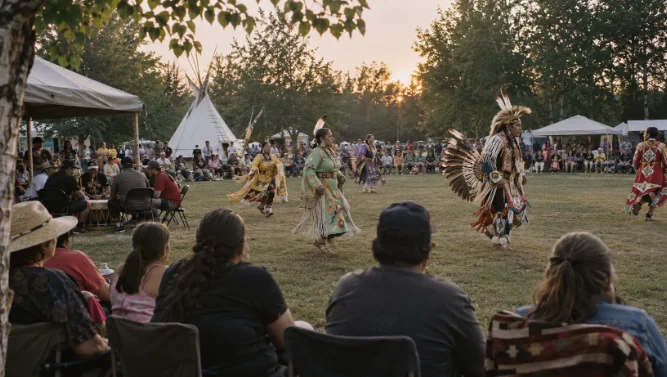
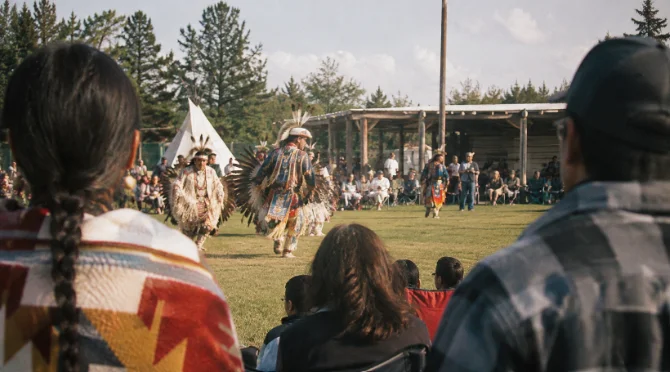
If a nearby community has invited the public to attend its powwow, planning your first visit to a public powwow can help you estimate the time, transportation and other practical costs involved.
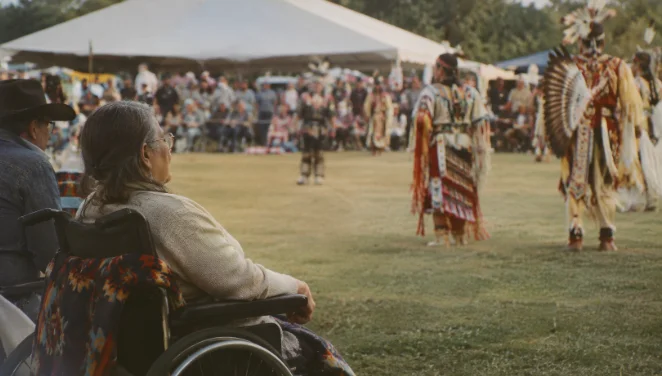
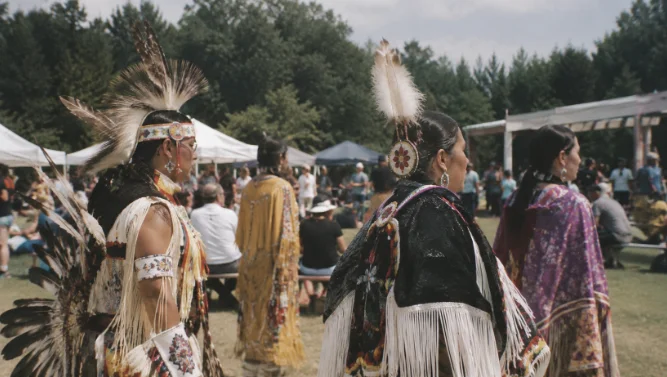
Remember that a powwow is a community and cultural gathering, not simply a form of public entertainment. Attend as a respectful guest and follow the guidance of the hosts.
Public Libraries, Museums and Local Arts Programs
Public libraries can offer much more than books. Depending on the community, you may find author talks, cultural workshops, film screenings, exhibitions and storytelling events.
Some library systems also provide access to local attractions.
Toronto Public Library’s tpl:map program, for example, allows eligible adult library cardholders to reserve passes offering free admission to participating cultural attractions.
Similar opportunities may be available through other library systems, although eligibility, availability and participating venues vary.
Local museums and galleries may also offer complimentary admission periods, community days or pay-what-you-can arrangements. Check their current visitor information before making plans.
Seasonal Events Worth Planning Ahead For
Certain times of the year offer particularly good opportunities to discover cultural events.
National Indigenous Peoples Day, held annually on June 21, is marked by public celebrations organized by Indigenous communities and organizations across Canada.
Summer often brings outdoor festivals, public powwows, arts markets and community gatherings.
In the fall, Culture Days connects communities through arts and cultural programs that are free to attend or offer optional pay-what-you-may admission.
Winter can be a good time to explore indoor exhibitions, library programs and smaller performances.
Commemorative gatherings have a different purpose from recreational outings. Events connected with the National Day for Truth and Reconciliation, for example, should be approached with reflection and respect rather than treated as entertainment.
Make the Most of a Cultural Outing Without Overspending
Reducing the practical costs of attending an event can leave more room to support the people whose work brought you there.
Combine Transportation and Travel Plans
If you are driving to another community, consider sharing transportation with friends or family members who have also been invited to attend.
Where appropriate, combine the journey with other planned errands or public cultural activities in the same area.
For urban events, compare the cost of parking with public transit. A nearby bus route may provide a straightforward alternative to driving, particularly when attending a busy downtown festival.
Choose a Shorter Visit When It Makes Sense
Not every cultural outing needs to become a full-day excursion.
Attending a single dance session, spending an afternoon at an exhibition or visiting a community marketplace for a few hours can reduce transportation, food and other incidental expenses.
This approach is particularly useful for public events close to home and for families who find longer outings tiring.
Follow the host’s schedule and protocols when arriving or leaving, rather than assuming every gathering permits unrestricted movement.
Buy Thoughtfully Rather Than Buying More
Supporting Indigenous artists does not require purchasing the most expensive item available.
A carefully chosen print, book or handmade piece can be more meaningful than several inexpensive souvenirs of uncertain origin.
CARFAC National’s Buy Authentic campaign encourages informed and respectful engagement with Indigenous art and artists, including awareness of culturally appropriated products and fraudulent claims of authenticity.
Whenever possible, purchase directly from the artist or through an established Indigenous-owned business. Learn about the maker and their work without turning the conversation into an interrogation.
If an original piece is beyond your budget, appreciate it without feeling obliged to negotiate a lower price. Respecting the value of someone’s work is part of supporting them.
Different Households Need Different Leisure Plans
For Families With Children
Family outings can become expensive because transportation, admission and food costs apply to several people.
Look for family admission options, free public gatherings and venues that permit outside food.
Discuss optional purchases before arriving. Giving children a small spending allowance, when affordable, can help them make thoughtful choices without creating unexpected expenses throughout the day.
A free community event followed by a picnic may provide a rewarding family experience without requiring a substantial budget.
For People Living Outside Major Cities
Residents of smaller communities may have fewer nearby events and greater transportation costs.
Rather than trying to attend a different gathering every month, it may make more sense to save for several meaningful outings throughout the year.
Regional powwow calendars, neighbouring community events and Indigenous cultural centres can help identify opportunities worth planning around.
Sharing transportation and reserving money for fuel in advance may be more useful than focusing entirely on admission prices.
For Visitors With Limited Time or Money
A tight budget does not have to prevent meaningful cultural participation.
Free exhibitions, public library programs, community celebrations and publicly available talks by Indigenous artists can provide opportunities to learn without significant expense.
For people with limited free time, choosing nearby events that fit naturally into an existing routine may be more realistic than arranging occasional large outings.
You can also support artists by sharing their publicly available work with appropriate credit, attending future exhibitions or recommending their performances to friends.
Make Cultural Participation a Regular Part of Your Year
An entertainment budget should reflect what you genuinely enjoy and value, rather than simply maintaining habits established months or years ago.
For some people, that might mean keeping fewer digital subscriptions and attending more local performances. For others, it could involve saving gradually for an annual community gathering while exploring free cultural opportunities closer to home.
The amount you spend matters less than the thought behind it.
Making room for cultural experiences can help you discover artists, learn about the communities around you and build connections that extend beyond a single afternoon or weekend.
When an Indigenous community invites the public to share in a gathering, take that invitation seriously. Come prepared, listen to your hosts, respect their protocols and support their work in whatever ways your circumstances allow.